
Killer Instinct Gameplay
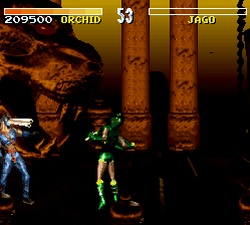
Killer Instinct’s gameplay—the series’ namesake “killer instinct,” often just “KI”—isn’t about memorizing a couple of inputs and praying you high-roll. It’s about rhythm. You grab the pad, hear that signature “Fight!”, and the match skips the expected “round two” break. Two life bars in a row, no cutaways, no breathers. The timer’s ticking, the announcer’s hyping, and that little motor in your chest kicks on: push the pace, don’t let go, stay in the moment. Every second is a stake on the table, and every whiff is an open invite to a counter-surge of hits.
A rhythm that never stops
No traditional rounds means the duel feels personal. You decide when to step over caution and steal momentum, and when to slow-roll and bait. When their gauge splinters and “Danger” flashes up top, hunter mode clicks on: one more step, one more poke, time to land that final chord. But the clock presses—no dozing. Every dash, low slide, jab, and hop rings like a drum hit. Catch the beat and the announcer winds you up, narrowing the world to three or four right decisions in a row.
Combos as a way to think
“How do you do an Ultra?” is almost philosophical in KI. Combos aren’t just big numbers. They’re a flow: opener, stretch it, keep time, scoop again, cash out pretty. The texture shifts—quick doubles and triples, sharp resets, little staggered pauses to break cadence and shake out a “combo breaker.” That split-second when the voice erupts with “C-C-C-COMBO BREAKER!” flips the entire emotional map: you were cruising, and now you’ve got to earn offense from scratch. Real control isn’t a rote string—it’s hearing the beat and changing step mid-commit.
Characters breathe differently. Jago owns mid-range—fireball to pin, then a tight burst of pressure. Sabrewulf shreds angles with speed; two beats later the corner’s at your back and it’s hard to exhale. Glacius plays ice-cold keep-out, freezing tempo and farming errors, while Spinal’s skulls cackle at your urge to push buttons “just because.” You pick the voice you want to speak with today—and that’s where the “secret to strong combos” and your signature style naturally come from.
The duel is space
Fighting isn’t only about hits—it’s about screen geography. Pin them in the corner and deny the escape. Back off and whiff-punish a greedy swing with a long normal. Feel them fishing for a panic breaker and play finer: feather the string, slip in an odd beat, hint at a tempo shift. In those seconds muscle memory argues with intuition: stick to the formula or snap the pattern so you don’t eat a mid break. When it all lands—“ULTRA COMBO!” rattles the room, and even if it’s a SNES session on a living-room TV, the win feels bigger than the setup.
Flip side: you eat an opener and suddenly you’re trapped under doubles, hunting for salvation on the right button. You listen more than you look—reading the rhythm to know where to break. A heartbeat later, the sweet “combo breaker” hits and the string pulls tight again. This is a duel where defense isn’t turtling, and risk isn’t recklessness.
A finish that sings
Ultra isn’t only digits and a roaring announcer—it’s the period on a sentence you wrote with your hands. But KI endings come in flavors. Sometimes you earn a “No Mercy”—that finisher that closes the book without edge-lording, but with a wink of mischief. Some stages whisper “Stage Ultra”—a sidestep, a burst, and your rival tumbles into the pit to a thunderous crowd pop. And sometimes “Humiliation” is the cheeky bow when the win’s already sealed. These flourishes change the match’s vibe—from ice-cold calculus to full-on theatre.
The quiet joy of training
Practice here isn’t a chore—it’s a little ritual. Fire up the lab, rep the string—ten times, twenty, “one last one”—until your fingers lock into time. Try Orchid’s tools and feel the forward drive flow through the screen; pick Fulgore and suddenly precision is bliss, every dash like a rifle shot. Hunting “best moves” never turns into dry cramming—you’re tuning an instrument so you’ll sound louder and cleaner under lights. That’s how answers to “how do I combo,” “how do I block it,” “how do I read them” show up—not from prompts, but from hands that stop rushing.
The magic multiplies on the couch. Local duels are a whole night’s genre. Together you learn to sniff out breakers, stash your tech, and set a reset at the rudest moment. The announcer hypes both sides, and every “ULTRA!” is a tiny celebration—even when it’s not yours. The spectacle isn’t forced; it’s born from the tempo you build together.
And yeah, there are plenty of little secrets: where to mask your opener, when to sneak that micro step back, how not to crack in a double “Danger” scramble. The more you play, the clearer it gets—Killer Instinct rewards attention. It doesn’t ask you to memorize a move encyclopedia—it asks you to hear the beat, trust your timing, and always be ready for the “combo breaker” that flips the table.
So when the room echoes with “C-C-C-COMBO BREAKER!” or that gravelly “ULTRA COMBO!”, you catch the exact feeling that makes us boot this fighter up in the first place. Killer Instinct lives in the announcer’s voice, the cadence in your fingers, and the tiny duel drama where every strike is a promise and every choice is a chance to turn a bout into a story told without words.